Flowers, food and festivals worth planning a trip around — the things that come and go with the seasons across Aichi, Gifu and Mie. Here’s what each one brings.
Blossoms, fresh tea and float festivals as the region wakes up.
Flowers in bloom
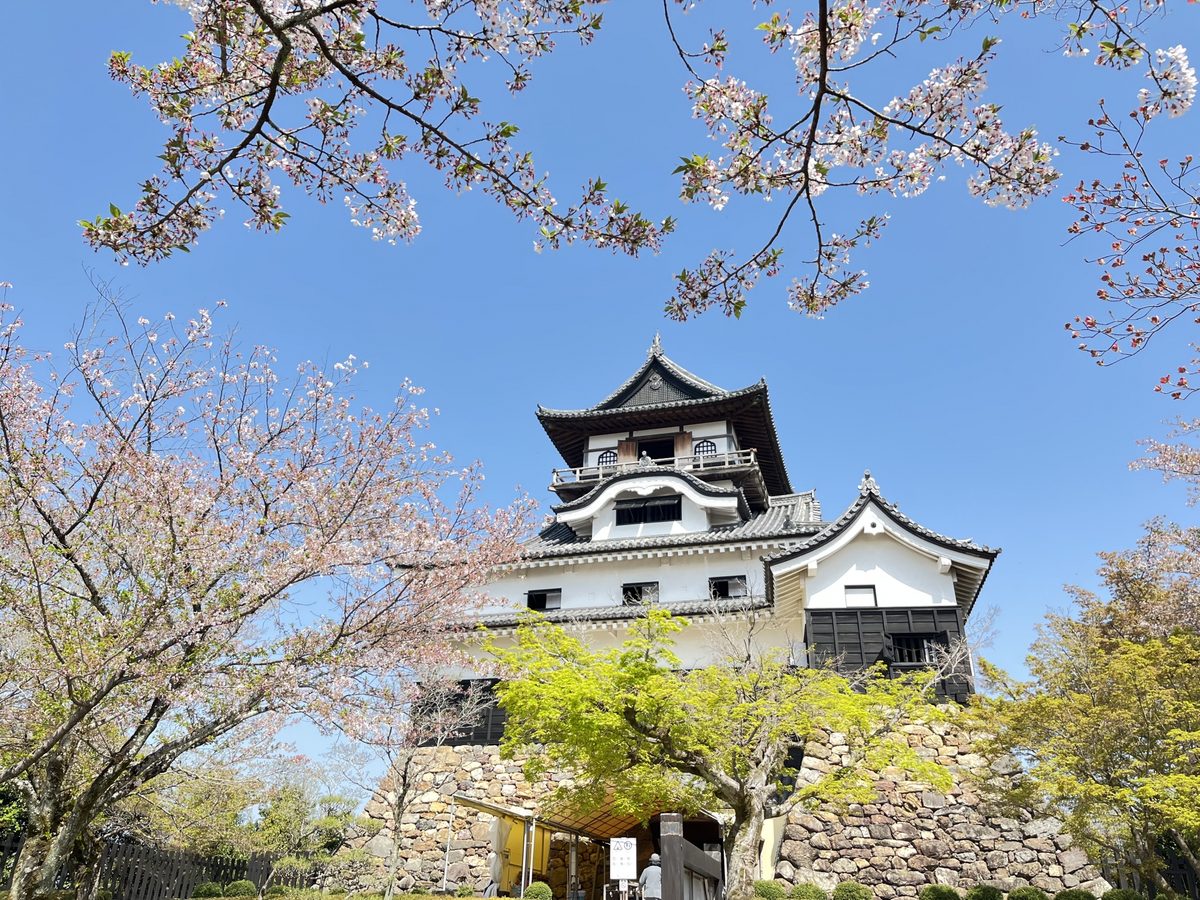
Cherry blossoms
When: Usually late March to early April
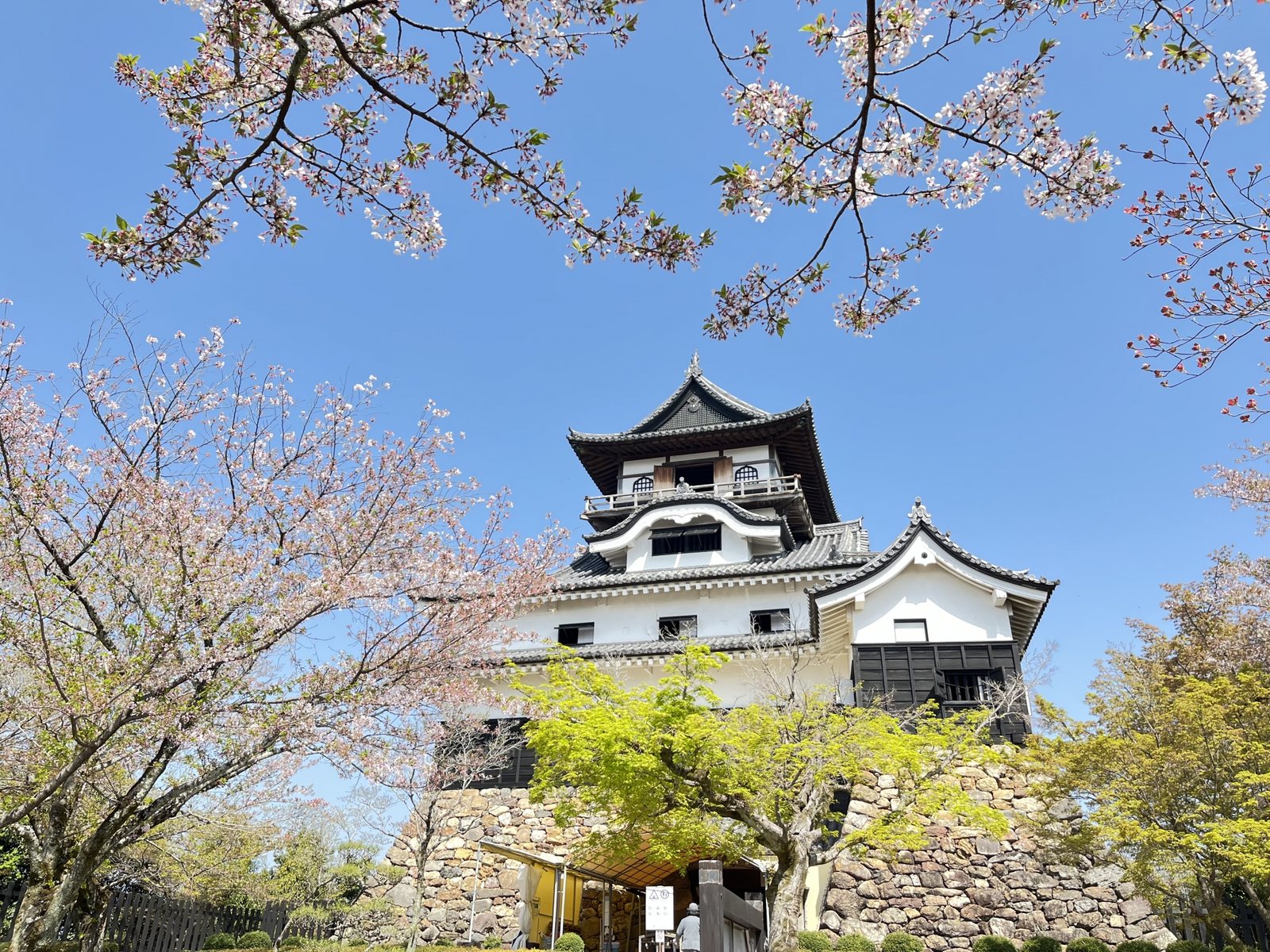
For a week or two the whole region softens — castle moats, riverbanks and school gates all turn pale pink. Pack a picnic and join the locals under the trees.
Where: Castles and riverbanks across Aichi and Gifu
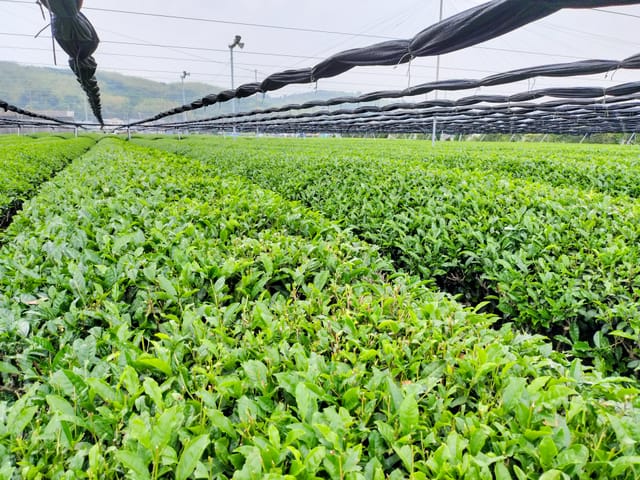
The first tea leaves of the year are sweeter and softer than anything you will taste later. Aichi’s Nishio is matcha country, so this is the place to try it.
Where: Nishio tea fields, Aichi
Strawberry picking
When: Usually January to May, sweetest in spring
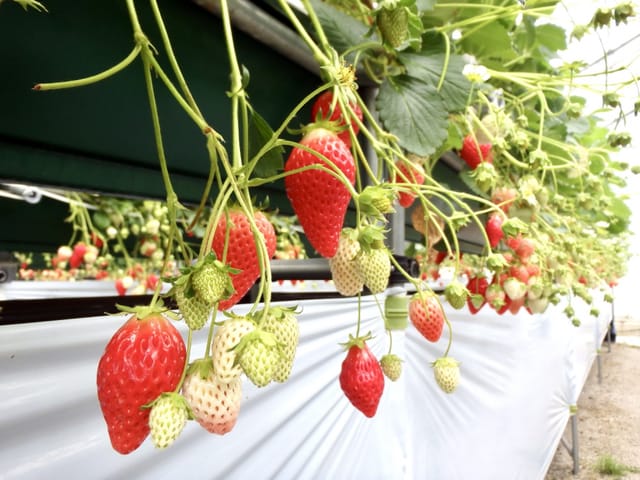
Greenhouse rows let you pick — and eat — sun-warm strawberries right off the vine. Kids tend to lose count somewhere around the tenth one.
Where: Fruit farms around Aichi and Gifu
Sakura-mochi
When: Around blossom season, March to April
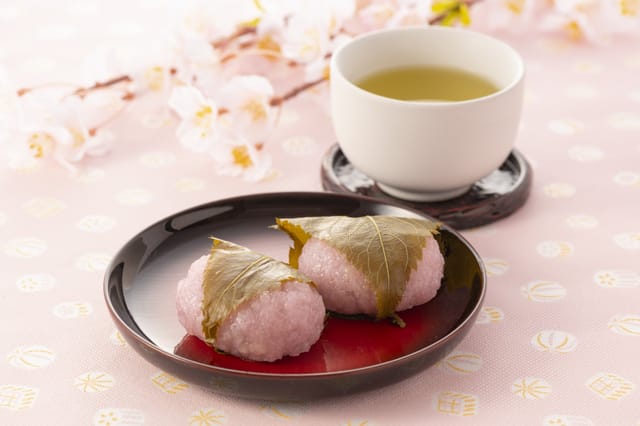
A pink rice cake wrapped in a salted cherry leaf — sweet first, then a little savory. It only shows up around blossom season, so grab one while you can.
Where: Sweet shops and station kiosks
Festivals & fireworks
Takayama Spring Festival
When: Usually mid-April
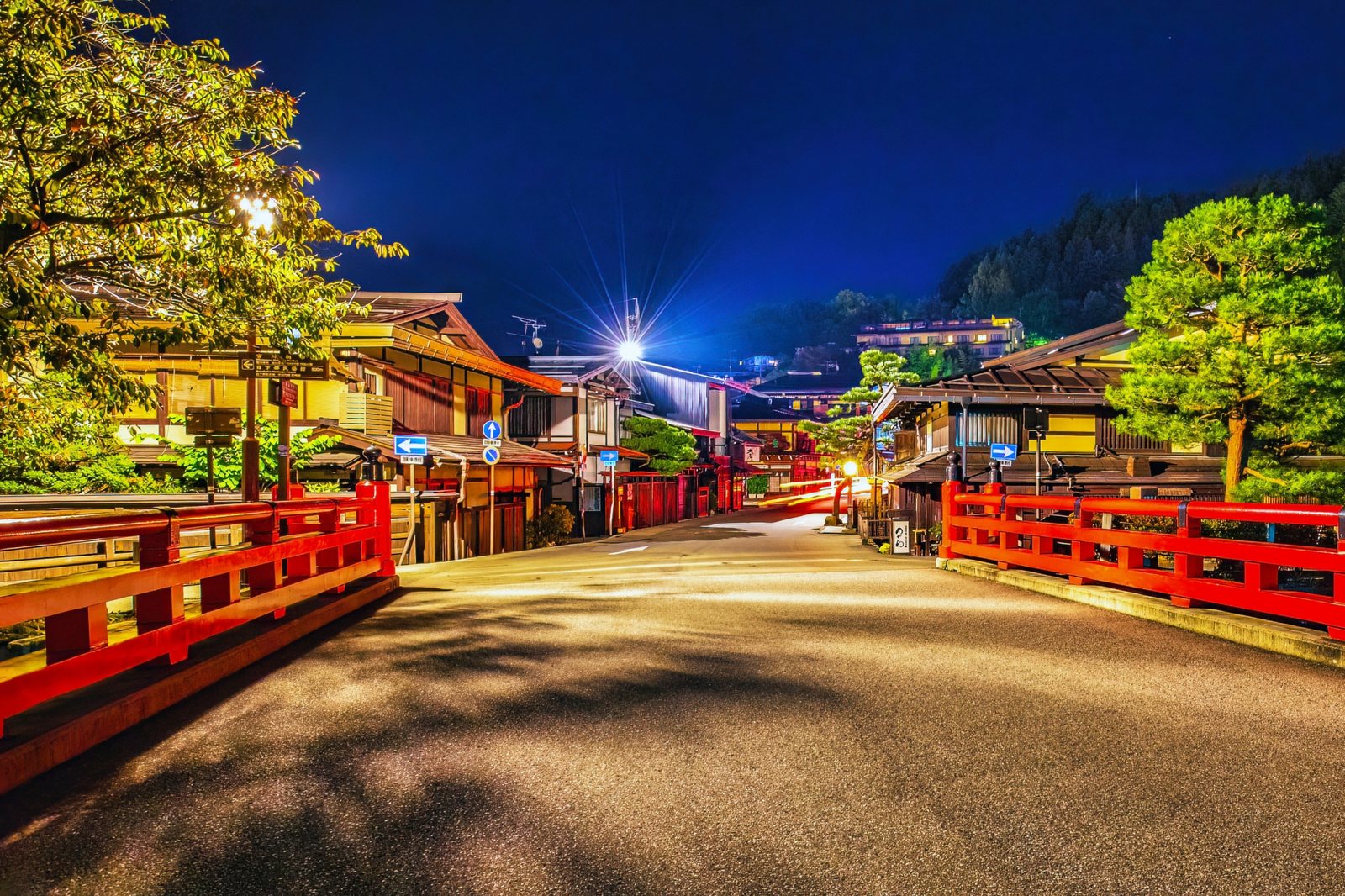
Tall, gilded floats are wheeled through the old streets of Hida, some with marionettes that bow and dance on top. It is counted among Japan’s most beautiful festivals.
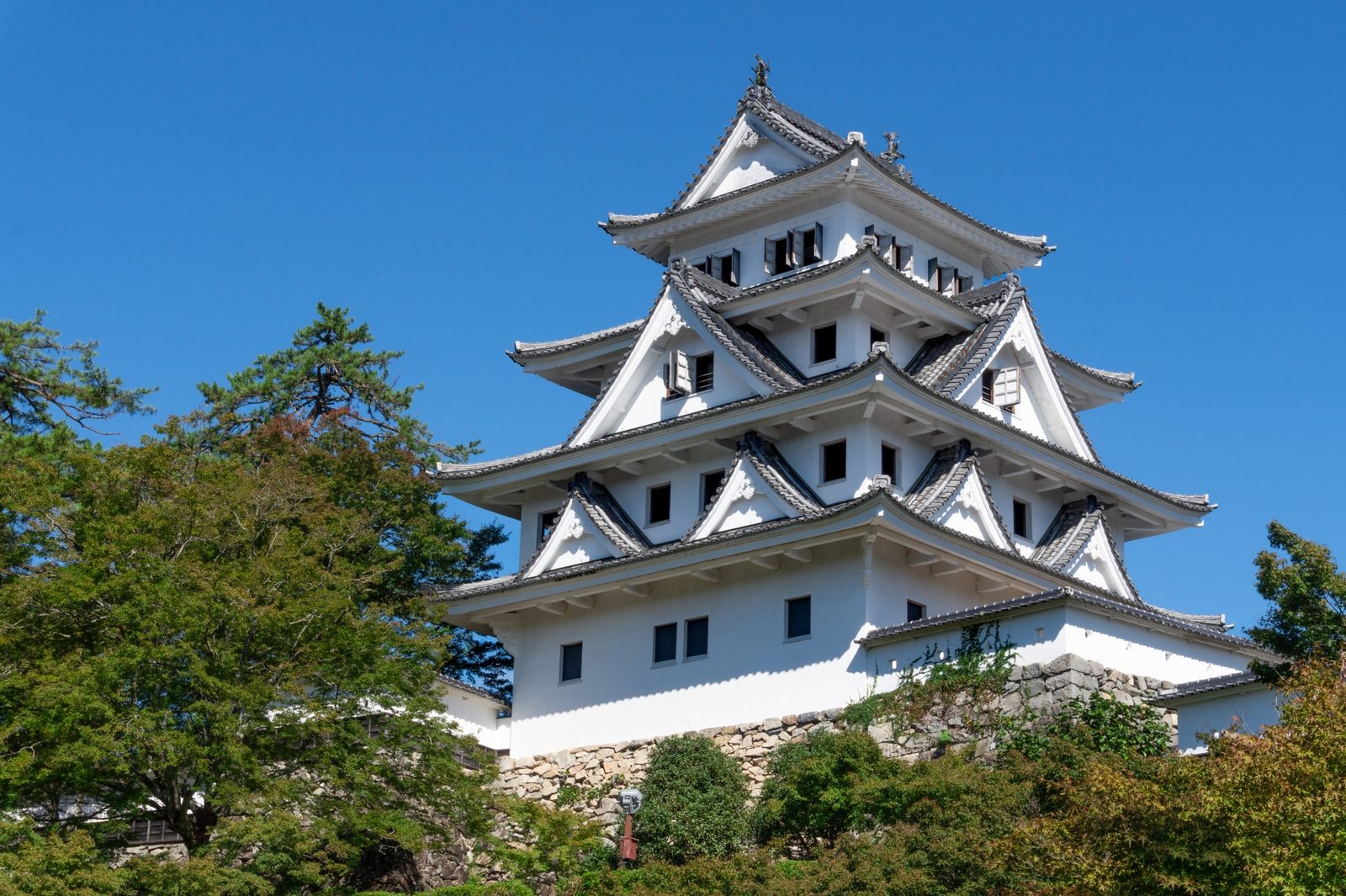
Three-tiered floats topped with mechanical puppets roll beneath Japan’s oldest castle keep — and after dark each one glows with hundreds of paper lanterns, often against a backdrop of cherry blossom.
A night when bare-shouldered men crash great drums together through Hida-Furukawa, and nine ornate floats line the canal-side streets. It is loud, raw and unforgettable — and listed by UNESCO.
More than 360 years old, this festival rolls ornate floats through Ogaki — some once gifted by the feudal lord — with mechanical puppets performing on top. Another of the UNESCO-listed float festivals.
Where: Ogaki, Gifu
Kamezaki Tidal Festival
When: Usually early May
Five lavishly carved and embroidered floats are hauled right down onto the tidal flats of the bay — a bold, 300-year-old sight that draws crowds to the shore. Recognized by UNESCO.
Where: Handa, Aichi
Hanami picnics
When: Usually late March to early April
Half the fun of spring here is simply sitting under the trees with friends, a bento and a drink, watching the petals come down. No ticket, no plan — just turn up.
Where: Parks and riverbanks everywhere
Summer
Hydrangea, river food, fireworks and all-night dancing.
Flowers in bloom
Hydrangea (ajisai)
When: Usually through June
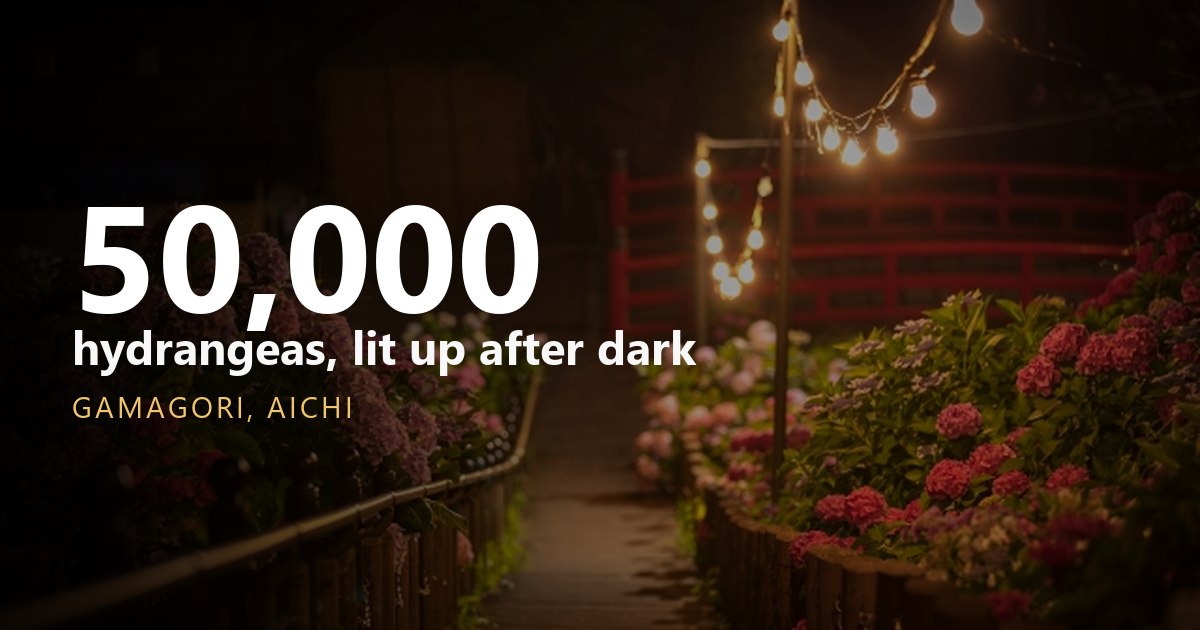
The one flower that actually wants the rain. Whole temple slopes turn blue, purple and pink through June — and the gray skies make the colors deeper, not duller.
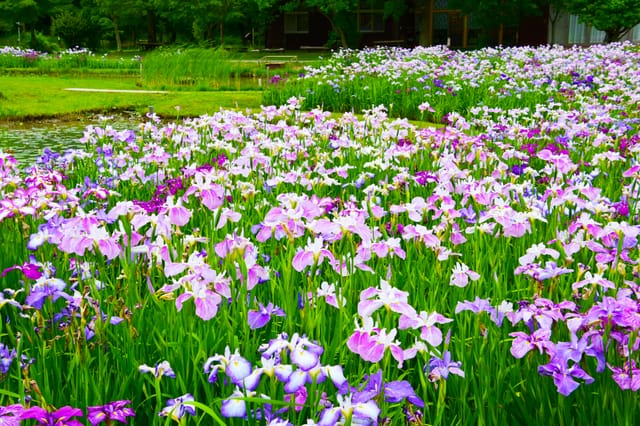
Tall purple and white iris stand in shallow water gardens, at their best in the same damp weeks as the hydrangea. Quiet, elegant, and far less crowded.
Where: Water gardens and parks
Sunflowers
When: Usually late July to August
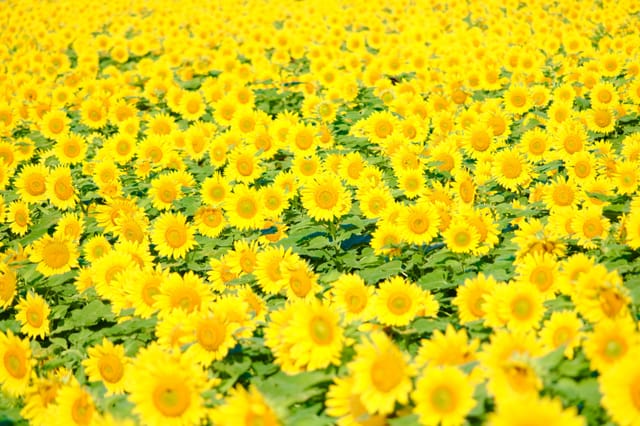
Once the rains lift, whole fields turn to face the sun. They are unapologetically cheerful — take one photo and you instantly feel like summer has started.
Where: Farm fields around the region
Seasonal flavors
Grilled eel (hitsumabushi)
When: A midsummer stamina dish
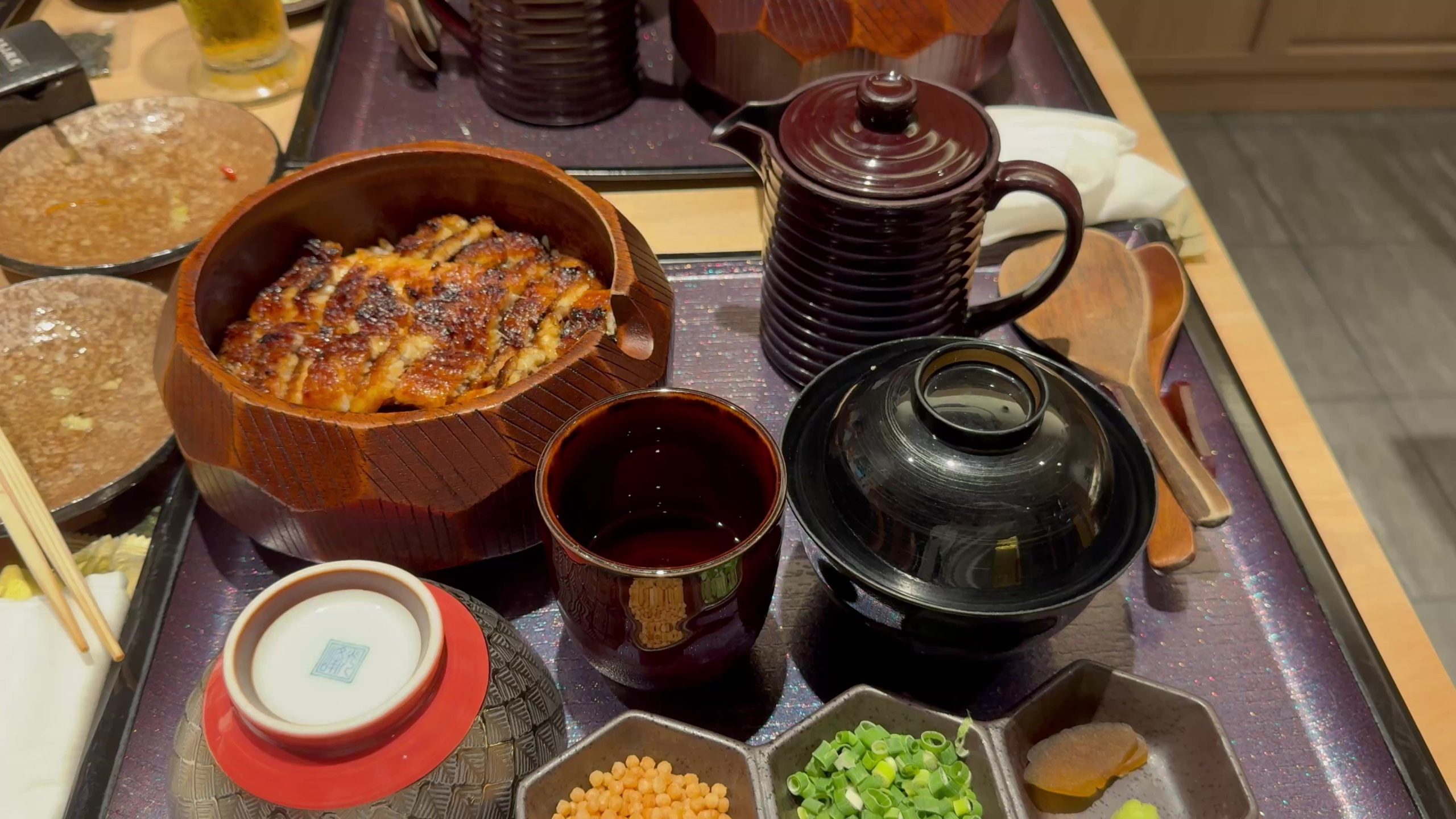
Nagoya’s way with eel is a small ritual: a quarter plain, a quarter with herbs and wasabi, a quarter in dashi broth, then the last however you liked best. People eat it in high summer to beat the heat.
Where: Eel restaurants in Nagoya
Ayu sweetfish
When: Usually June to September
A river fish grilled whole over charcoal with a little salt — faintly sweet, almost like cucumber, eaten head and all. It tastes like a summer evening by the Nagara River.
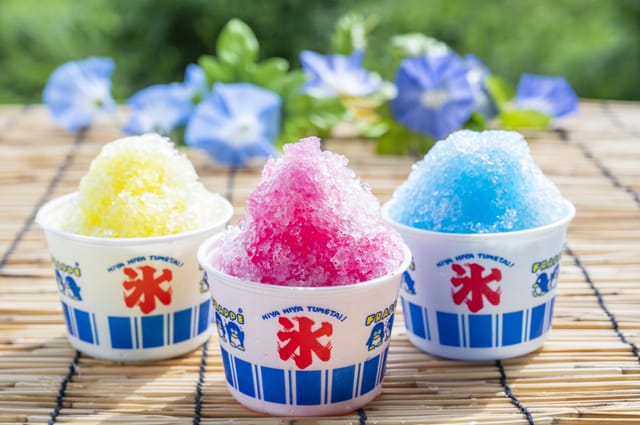
A mountain of fluffy shaved ice under fruit syrup, sometimes condensed milk or matcha. On a 35-degree Nagoya afternoon, it is less a dessert than a survival tactic.
Where: Cafés and festival stalls
Festivals & fireworks
Tanabata (Star Festival)
When: Usually July, some areas early August
You write a wish on a paper strip and tie it to a bamboo branch. Whole shopping streets fill with streamers — Ichinomiya in Aichi throws one of the country’s biggest.
Where: Shopping streets, Ichinomiya
Atsuta Festival (Shobu-sai)
When: Usually early June
Atsuta Shrine’s biggest day of the year — martial-arts and music offerings by day, then around a thousand fireworks over the shrine park at dusk. Locals say it marks the start of summer.
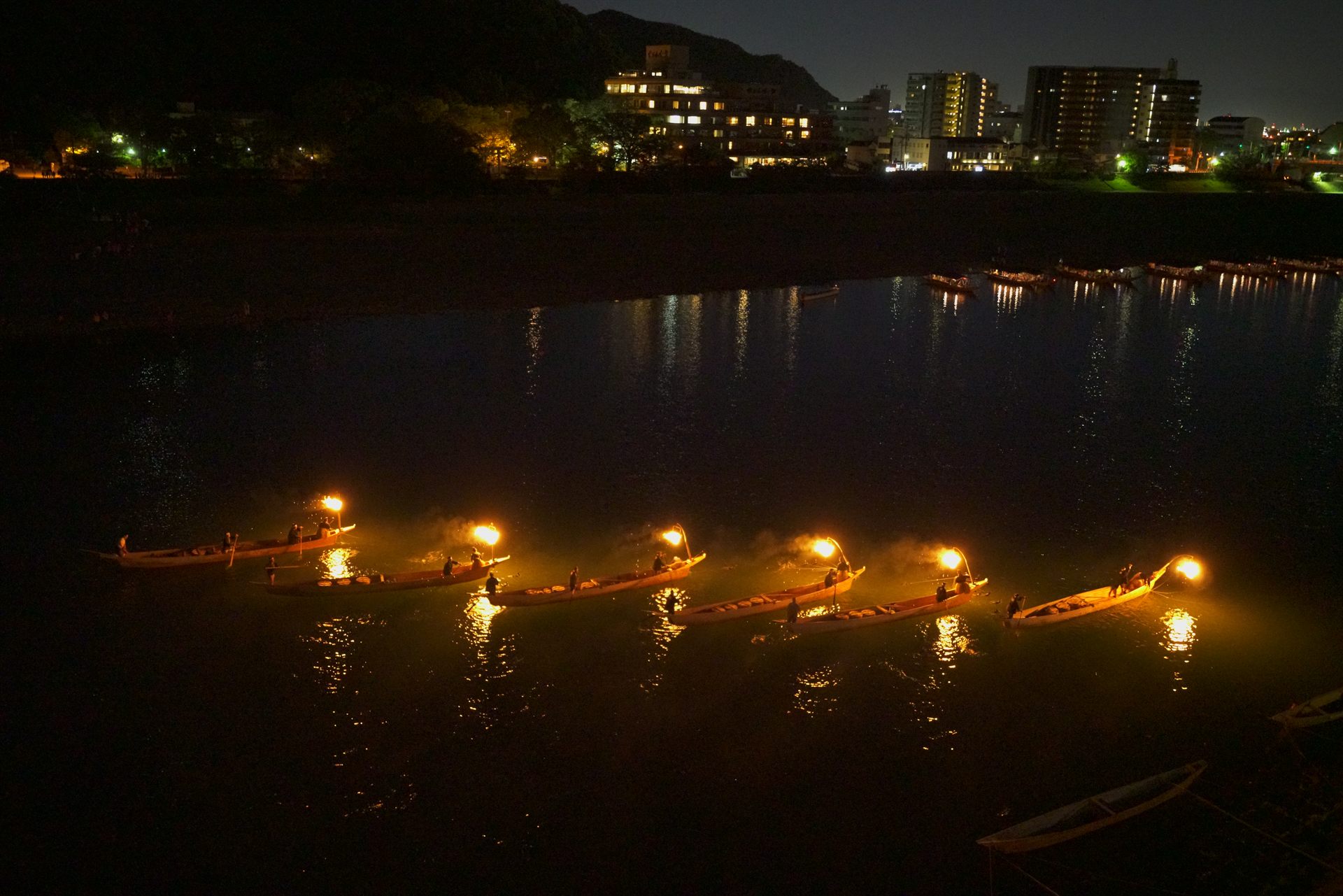
On the festival eve, five boats hung with paper lanterns row across the river after dark, their lights mirrored on the water. One of Japan’s great river festivals, nearly 600 years old and UNESCO-listed.
Where: Tsushima, Aichi
Toyohashi Gion Festival
When: Usually mid-to-late July
Toyohashi is the home of tezutsu hanabi — fireworks held in the bare arms of the men who set them off, showering sparks into the night. A riverside fireworks show follows the next evening.
Where: Toyohashi, Aichi
Gifu Nagara River Fireworks
When: Usually a Saturday in early August
Around ten thousand shells go up over the Nagara River on one big August Saturday — one of the largest fireworks nights in the whole region.
Where: Nagara River, Gifu City
Kuwana Ishidori Festival
When: Usually early August
Around forty festival carts pound bells and drums all at once — locals proudly call it the noisiest festival in Japan. Recognized by UNESCO.
Where: Kuwana, Mie
Dai-Yokkaichi Festival (Onyudo)
When: Usually early August
Yokkaichi’s summer highlight is Onyudo, a giant mechanical float of a long-necked figure whose head stretches up and up. Lion dances and drumming fill the streets too.
Where: Yokkaichi, Mie
Okazaki Fireworks
When: Usually a Saturday in early August
Okazaki keeps alive Mikawa hanabi, the local firework-making craft, with set pieces, “goldfish” fireworks and starmines reflected on the river. One of Aichi’s proudest summer nights.
Where: Okazaki, Aichi
Mikawa Isshiki Giant Lantern Festival
When: Usually late August
Six pairs of paper lanterns up to ten meters tall are hung at a shrine and lit with great candles after dark — a glowing sight said to ward off sea spirits.
Where: Nishio (Isshiki), Aichi
Nippon Domannaka Festival (Domatsuri)
When: Usually late August
Some two hundred teams from Japan and abroad fill central Nagoya with high-energy yosakoi dance over three late-August days. Anyone can watch; the streets buzz for blocks.
Where: Central Nagoya
Cormorant fishing (ukai)
When: Usually mid-May to mid-October
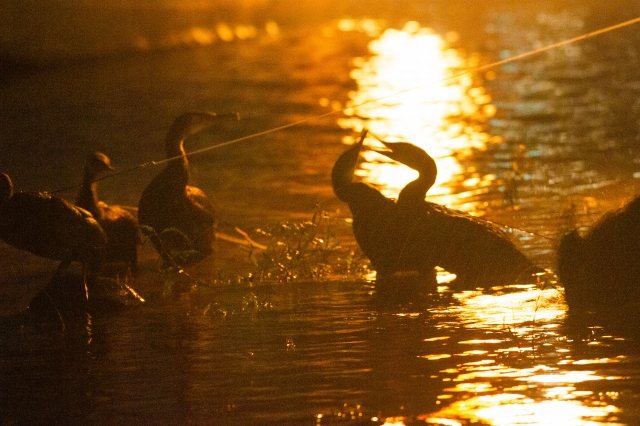
On summer nights, fishermen in straw skirts work trained cormorants by torchlight from wooden boats — a craft kept alive on the Nagara River for over 1,300 years. You watch from a boat alongside.
Maple reds, chestnuts and the year’s grandest floats.
Flowers in bloom
Autumn leaves (koyo)
When: Mountains from late October, lowlands mid-to-late November
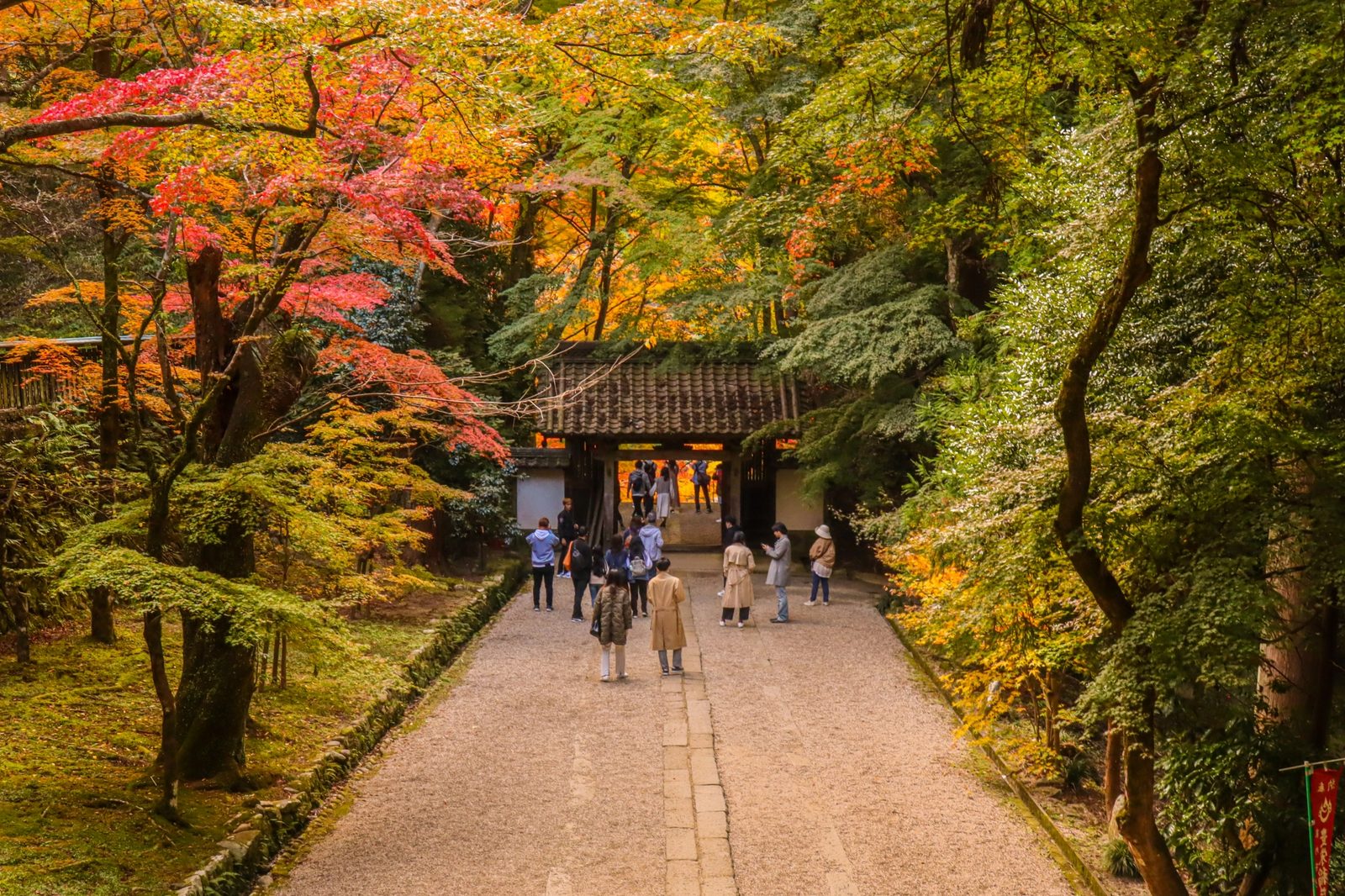
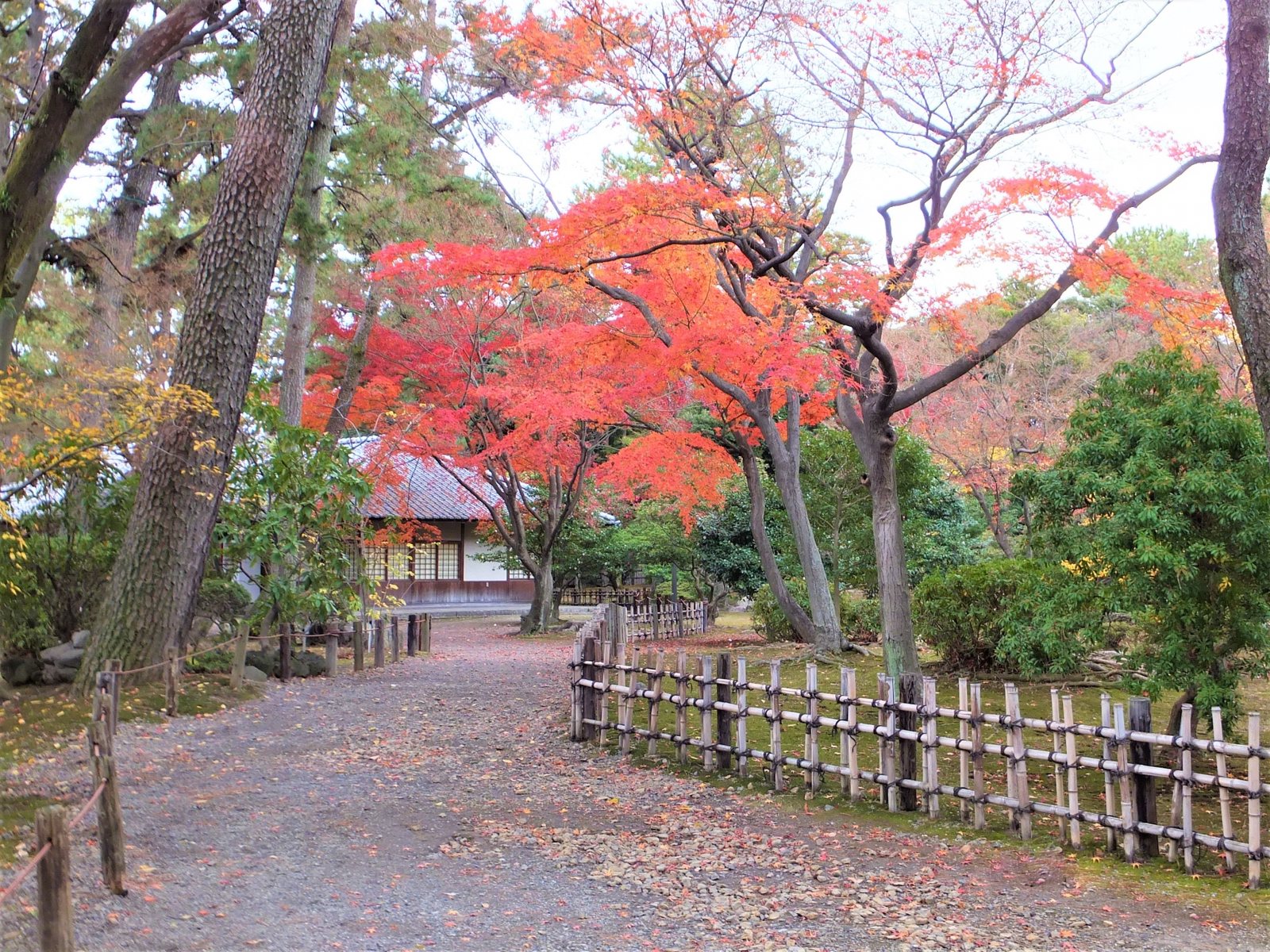
The maples turn from the mountains downward, so you can almost chase the color for weeks. Korankei in Aichi — thousands of maples over a little river — is the one everyone means.
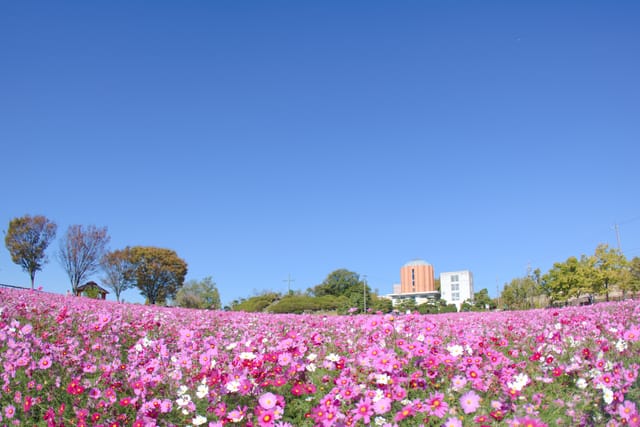
Pink and white cosmos nod along field edges all through October — the gentle, unshowy side of autumn, before the leaves take over.
Where: Farm fields and parks
Red spider lily (higanbana)
When: Usually late September
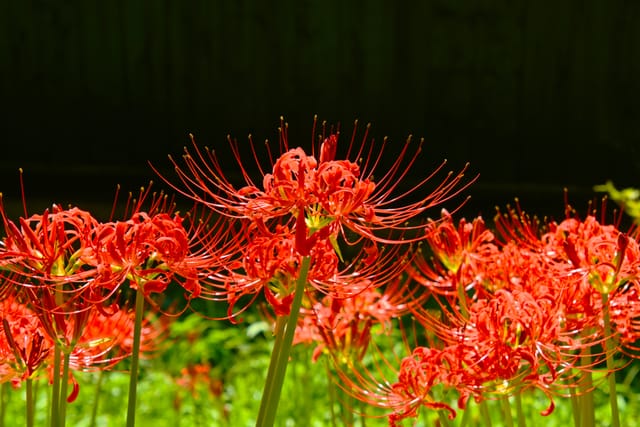
For about a week, paddy edges flare bright red almost overnight. The flower is tied to the autumn equinox and to remembering those who came before — beautiful and a little wistful.
Where: Rice-paddy edges in the countryside
Seasonal flavors
Persimmon (kaki)
When: Usually October to November
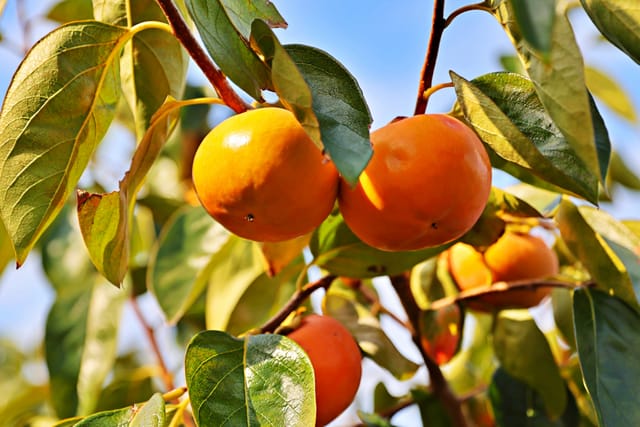
Bright orange persimmons hang from bare branches all over the countryside — some eaten crisp, some dried into chewy, honey-sweet hoshigaki. A very Japanese taste of the season.
Where: Orchards in Gifu and Mie
Chestnut sweets (kurikinton)
When: Usually September to October
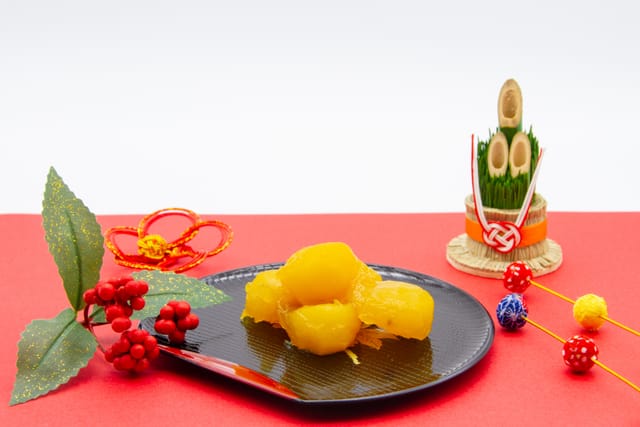
In the old Nakasendo hill towns of Gifu, autumn chestnuts are mashed with just a little sugar and twisted into a small, soft sweet — nothing else added. Locals will tell you each shop’s is subtly different.
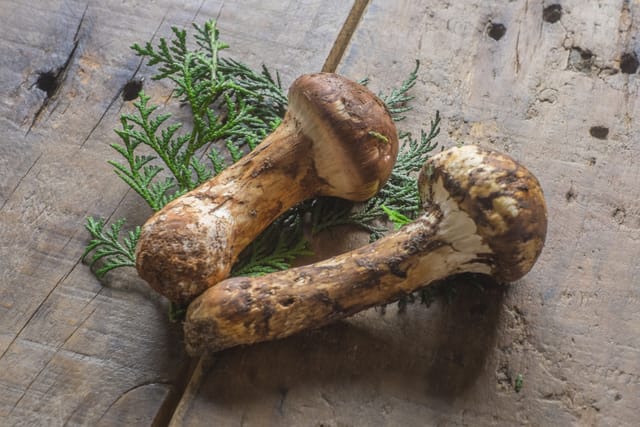
The most prized mushroom of the Japanese autumn, with a deep pine aroma. It is a splurge — often simmered in a clear broth or grilled simply — but tasting it once tells you why people fuss.
Where: Specialist restaurants in season
Festivals & fireworks
Takayama Autumn Festival
When: Usually early to mid-October
The autumn half of Takayama’s great festival, with a different set of ornate floats paraded through the old town under crisp blue skies. Missed the spring one? This is your second chance.
The city’s biggest autumn parade, led by costumed processions of the three warlords born near here — Nobunaga, Hideyoshi and Ieyasu — who once unified the whole country.
Through November, Aichi’s most famous maple valley lights up after dark — golden hillsides, the red of the old bridge and all of it mirrored in the river below.
Seto, a pottery town for centuries, lines both banks of its river with some two hundred stalls selling ceramics at bargain prices — a paradise for anyone who loves tableware.
Where: Seto, Aichi
Kanname-sai Harvest Rite (Ise)
When: Usually mid-October
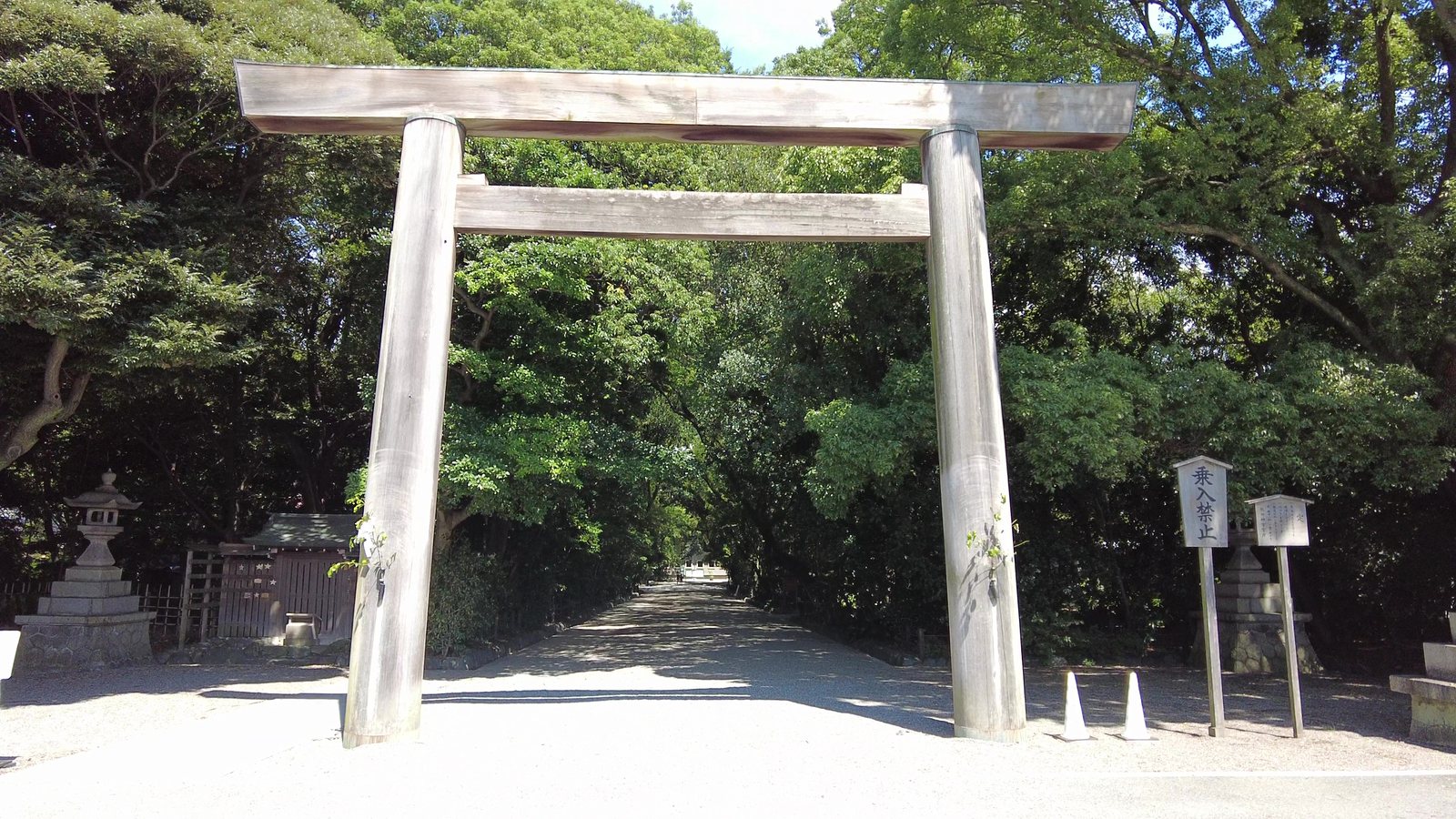
At Ise Jingu, the oldest and most important rite of the year offers the season’s first rice to the sun goddess in thanks for the harvest — a solemn, deeply traditional occasion.
Where: Ise Jingu, Mie
Ueno Tenjin Festival
When: Usually late October
Iga’s biggest autumn festival, over 400 years old: a procession of a hundred-odd demons winds through town alongside nine ornate danjiri floats. Recognized by UNESCO.
Where: Iga, Mie
Moon-viewing evenings (tsukimi)
When: Usually mid-September to early October
Shrines and gardens hold quiet evening gatherings for the harvest moon, with round dumplings and pampas grass. No fireworks, no crowds — just the moon, and that is the point.
Where: Shrines and gardens
Winter
Plum and snow, hot-pot weather, and a sea of lights.
Flowers in bloom
Plum blossoms (ume)
When: Usually February to early March
The first flowers of the year, opening while it is still cold and the trees are bare. Where cherry blossom is a crowd, plum is for a slow, quiet wander, its scent on the cold air.
Where: Shrine and garden plum groves
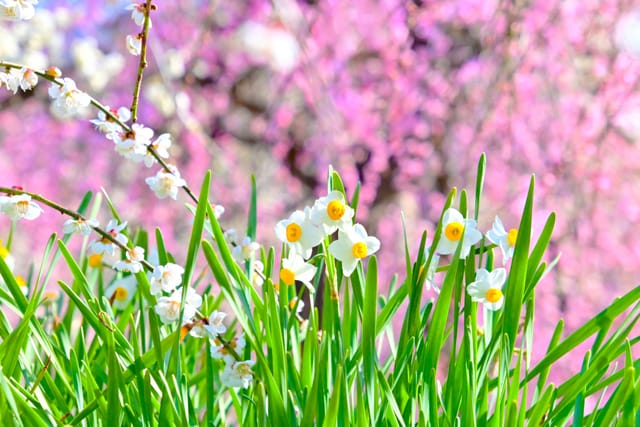
Winter narcissus
When: Usually January to February
Little white-and-yellow narcissus push up along the coast in the dead of winter, with a clean, sweet scent that carries on the sea wind. A small sign that spring is on its way.
Where: Coastal slopes of Mie and Aichi
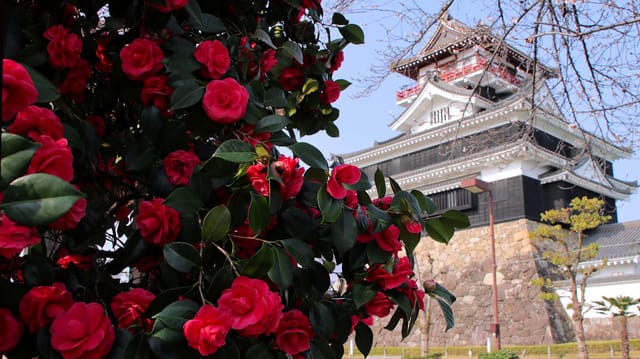
Camellia (tsubaki)
When: Usually winter into early spring
Glossy dark leaves and deep red blooms that hold on through the cold, then drop whole, in one piece. A long-time favorite in winter tea rooms and temple gardens.
Where: Temple gardens and tea rooms
Seasonal flavors
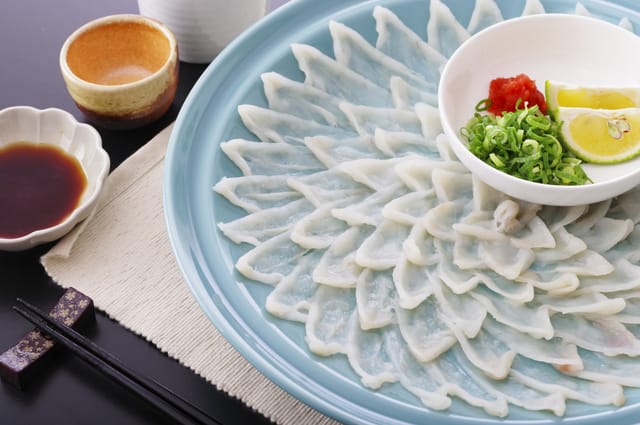
Pufferfish (fugu)
When: Usually December to February
Winter is fugu season — paper-thin sashimi you can see the plate through, or a bubbling hotpot to share. It is prepared only by licensed chefs, so it is a treat to seek out, not to fear.
Where: Coastal towns of Mie and Aichi
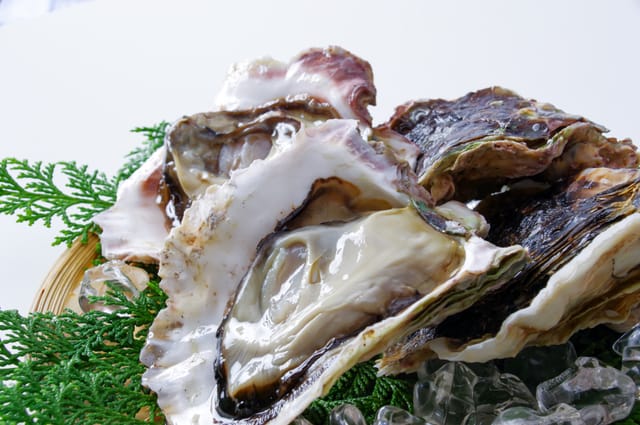
Winter oysters
When: Usually December to February
Plump oysters from the bays of Mie, grilled in the shell at little huts by the water until they pop open, steaming. Cold hands, hot oyster, sea view — hard to beat.
Where: Oyster huts on Ise Bay, Mie
Miso-nikomi udon
When: A cold-weather favorite
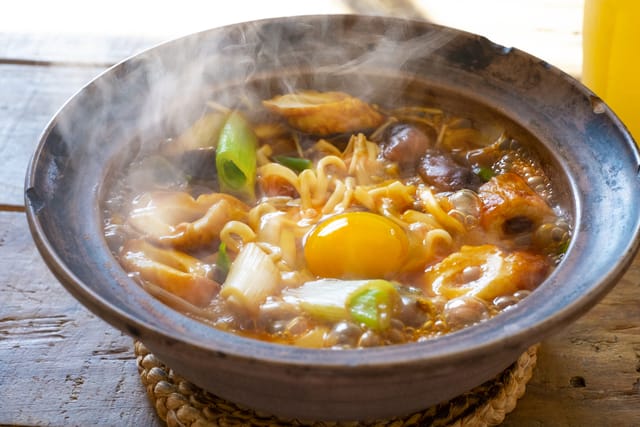
Chewy udon simmered in a dark, rich red-miso broth, served still bubbling in its little clay pot. This is Nagoya comfort food — the thing locals crave the moment it turns cold.
Where: Noodle shops in Nagoya
Festivals & fireworks
Winter illuminations
When: Usually November to March
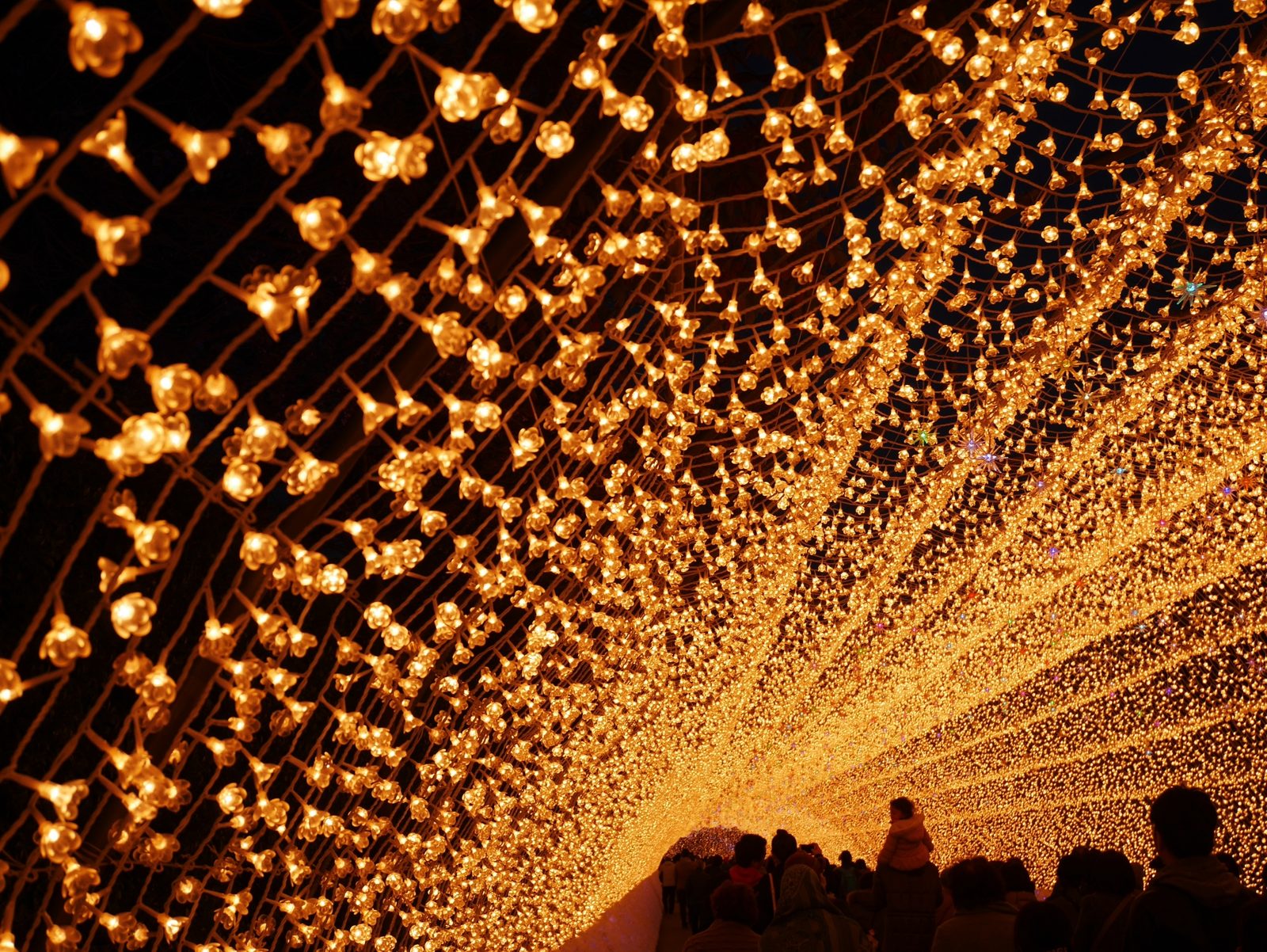
Mie’s Nabana no Sato runs one of Japan’s largest light shows — millions of LEDs, a tunnel of lights, a whole hillside scene that changes each year. Bundle up; it is worth the cold.
In the first days of January, everyone visits a shrine to wish for the year ahead. Atsuta Shrine in Nagoya draws huge, good-natured crowds — food stalls, lucky charms, a warm cup of amazake.
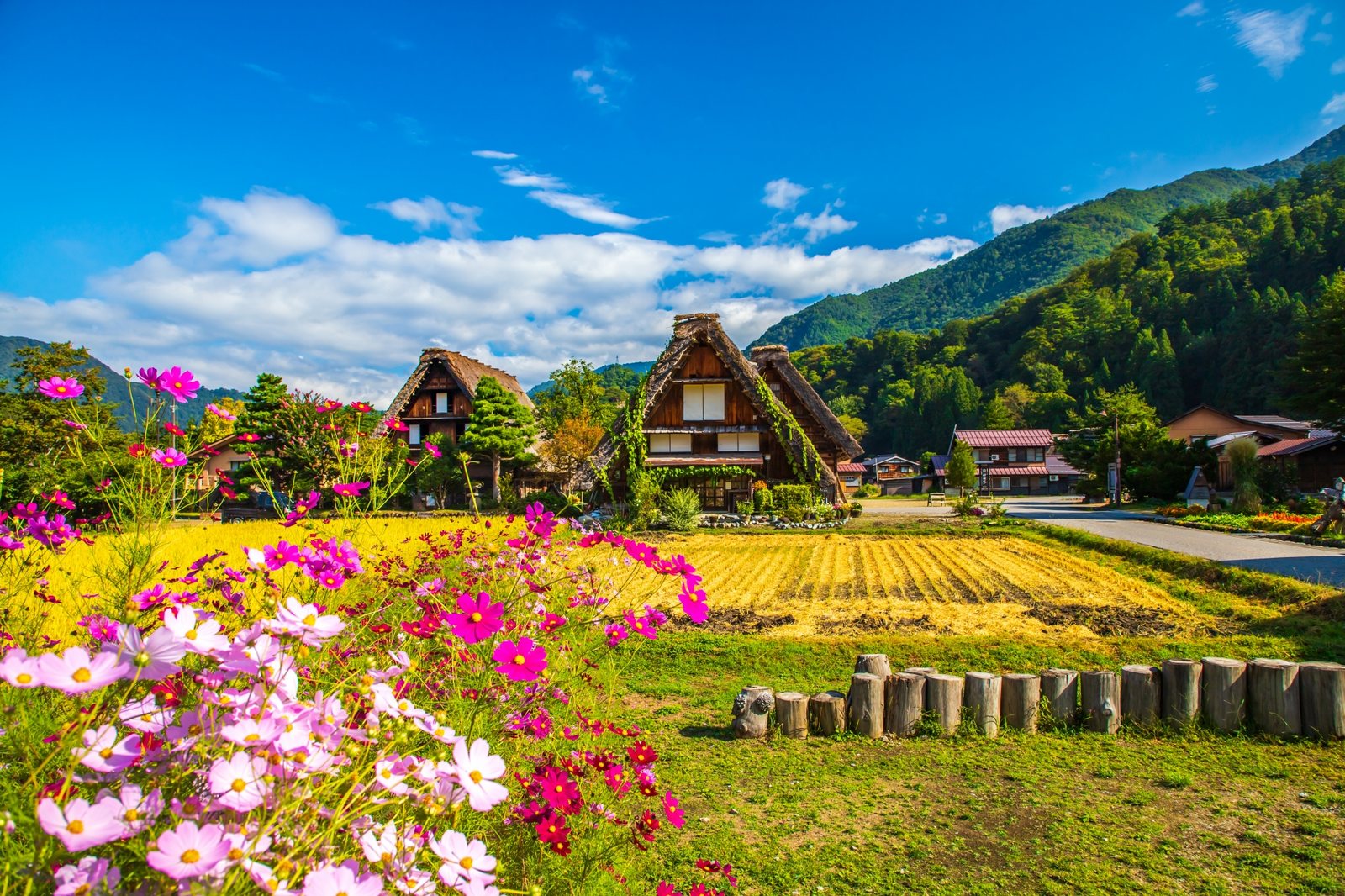
On a handful of winter evenings, the thatched farmhouses of this mountain village glow against deep snow — the postcard image of a Japanese winter. The dates are limited and reservations fill fast.
When: Usually February (set by the old lunar calendar)
At a shrine near Inazawa, thousands of men in loincloths jostle in the winter cold to touch a single chosen “god-man”, driving off bad luck — a famously wild rite over 1,200 years old.
Where: Inazawa, Aichi
When to Visit
Prefer it month by month?
Tap any month to see the weather, the crowds and where to go — a closer look at the year.
QuietModerateBusy
Tap a month to see what it’s like — and where to go
Apr
Cherry blossomsTemperature 9–20°CCrowds: Moderate
Cherry-blossom season — castles and rivers turn pink. Aside from the early-April peak and Golden Week, it stays manageable.
Japanese events & holidays
Hanami (blossom viewing) — Picnicking under the cherry blossoms — the quintessential Japanese spring.
New school & business year — April is the season of fresh starts — entrance ceremonies and new jobs.